Book Genre Trends 2026: What Literary Agents Are Requesting Right Now
HIT PLAY OR READ THE POST BELOW:
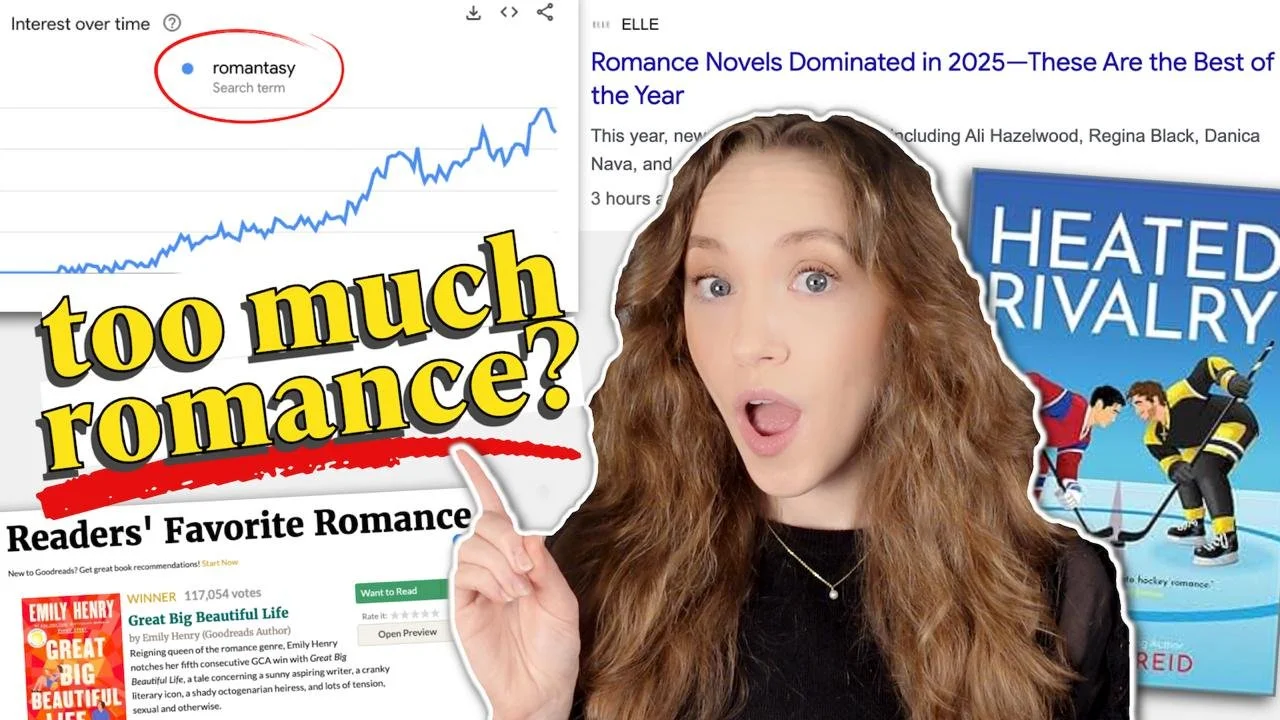
Understanding book genre trends is critical for authors navigating the 2026 publishing landscape. While romantasy has dominated recent conversations, book genre trends shift constantly—and knowing which genres literary agents are actively requesting can transform your querying strategy from shouting into the void into a targeted, data-driven approach.
The publishing industry rarely shares public data, but QueryTracker's live database reveals exactly what literary agents want right now. This behind-the-scenes look at book genre trends shows which categories are rising, which are oversaturated, and where the biggest opportunities lie for 2026.
QueryTracker's Book Genre Trends Data
QueryTracker.net collects genre data from thousands of users, compiling two lists:
The most popular genres (what authors are submitting)
The most requested genres (what agents are asking to read)
Comparing these lists reveals critical book genre trends—which genres have more supply than demand, and which manuscripts agents desperately want but aren't receiving.
Important note: These book genre trends shouldn't dictate what you write. This data simply helps you better understand how the publishing market is shifting.
Here are the lists as of December 17, 2025.
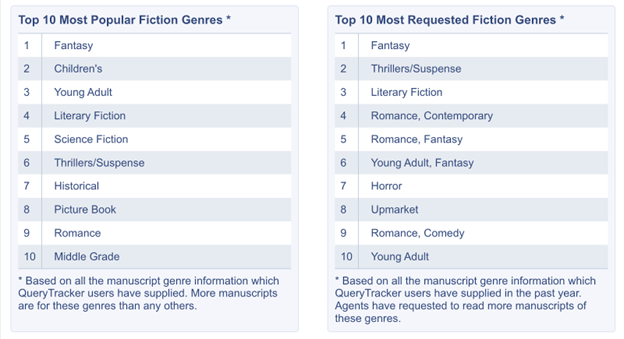
Top 10 Most Popular Fiction Genres and Top 10 Most Requested Fiction Genres lists from QueryTracker.net
Fantasy Dominates 2026
Fantasy ranks number one on both lists, making it the undisputed leader in current book genre trends. Fantasy held this position in July 2025 and remains the hottest genre—as evidenced by a fantasy-only bookstore opening in New York City and fantasy dominating BookTok.
For fantasy authors, this book genre trend is double-edged: strong agent interest exists, but competition is fierce.
Other High-Demand Book Genre Trends
Several genres appear on both lists, indicating healthy supply and demand in 2026:
Young adult (technically an age category) remains strong, with young adult fantasy as a requested subgenre.
Literary fiction, thriller/suspense, and romance all show continued strength.
Contemporary romance, fantasy romance, and rom-coms all climbed the rankings since July 2025. Romance is everywhere—on BookTok and prominently displayed in brick-and-mortar stores—making it one of the strongest book genre trends heading into 2026.
Oversaturated Genres in 2026
Five genres appear on what authors are writing but not on agents' most requested lists, suggesting oversaturation:
Children's
Science fiction
Historical fiction
Picture book
Middle grade
Every children's fiction category except YA shows more authors writing than agents requesting. The children's market faces challenges: slipping sales, budget cuts, censorship battles, and declining reading scores.
However, certain children's books still succeed, especially those with high-concept hooks, shorter word counts, novels in verse, and graphic novels.
Science fiction's position is perplexing. Despite film studios investing in sci-fi (Mickey 17, Companion), publishing hasn't seen a major breakout since Dune and Three-Body Problem—both boosted by adaptations.
Historical fiction maintains strong reader appetite, as demonstrated by Taylor Jenkins Reid's continued success and Claire Leslie Hall's debut Broken Country selling 1 million copies. But agent requests remain moderate.
Remember: books get published in every genre annually. These book genre trends simply mean potentially smaller agent pools for certain categories at this particular moment.
Biggest Opportunities in 2026
Two genres appear on agents' most requested lists but not on the list of what authors are submitting:
Horror: This genre is experiencing a cultural moment. A horror-specific bookstore opened in New York City, and horror films are thriving (Weapons generated significant buzz). Authors may not have caught up to mainstream demand, or they're intimidated by horror's difficulty—balancing violence and disturbing elements without alienating readers.
Upmarket fiction: This category confuses writers because it's industry-specific terminology not used in bookstores. You very well may be writing upmarket fiction without realizing it! Upmarket fiction blends commercial accessibility with literary depth—emotionally resonant, page-turning reads perfect for book clubs. Reese's Book Club picks exemplify this category, and demand is growing with rising book club participation and the trend of “reading retreats.” Literary agent Carly Watters offers a helpful breakdown to identify upmarket fiction.
Don't Chase Book Genre Trends
So, should you exclusively write upmarket horror based on these book genre trends? Absolutely not.
Publishing trends shift constantly. And chasing what agents allegedly want rather than writing your authentic story will result in a weaker manuscript. Use book genre trends data to understand the industry, not to dictate your creative direction.
Even if your genre isn't currently trending, remember that great books still break through. Exceptional concepts executed brilliantly transcend book genre trends—and might even launch the next wave.
Need an expert pair of eyes on your query letter?

View more: